
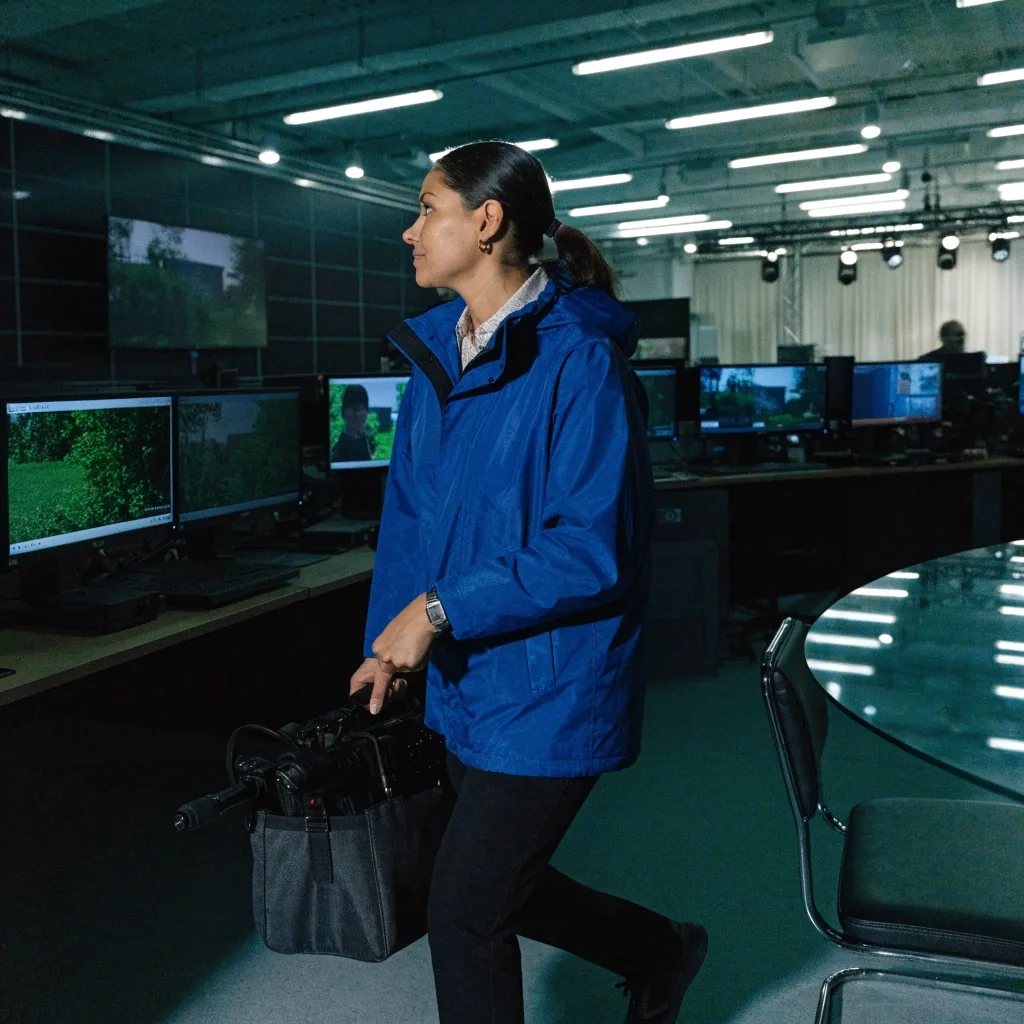
How CBC regional newsrooms cover Canada
Halifax serves Atlantic Canada, Edmonton and Calgary serve the prairies, and Vancouver serves British Columbia. Here is how those rooms feed national TV, radio, and digital output.
Regional hub line-up
Four rooms, one editorial spine
- Halifax Atlantic Canada base weather, coastal issues, politics, community
- Edmonton Prairie newsroom local TV set rebuilt over a weekend
- Calgary City desk, money beat Parkdale now, downtown next
- Vancouver Broadcast Centre News in BC, The National, Radio One
- National Toronto and Ottawa main coverage when a story breaks big
Why regional newsrooms exist
Canada is large, and national coverage alone cannot reflect what is happening in a specific city or province. A regional newsroom gives CBC a local production base: reporters who know the area, crews who can reach a scene quickly, and studios where local programs are produced.
That local reporting also feeds national programs. A story that starts on a Halifax street or an Edmonton council floor can end up on a national broadcast the same evening, which is why regional newsrooms matter well beyond their own markets. They are the part of the network closest to the ground, and the part national desks call first when a story has a local centre.
The arrangement also shapes how CBC decides what to cover. A regional room prioritizes what its audience will actually experience today: a storm track, a hospital closure, a municipal budget. National and international stories are carried by other CBC teams. Understanding that split explains a lot about why a local newscast and a national newscast can treat the same event so differently.

CBC Halifax and Atlantic Canada
CBC maintains a newsroom serving Atlantic Canada from Halifax. The market is part of CBC's coast-to-coast regional coverage model, and Halifax is a key hub for weather, coastal issues, politics, and community reporting.
For a region with distinct weather and coastal concerns, having a local production base matters. A hurricane track, a fisheries dispute, or a provincial budget all move faster when the crew covering them is already in the province, and the same reporting can be picked up by national TV, radio, and online output that same day.

CBC Edmonton and the prairie newsrooms
CBC has published a behind-the-scenes tour of its Edmonton newsroom. The article says the local TV set was transformed for new hosts in 2019, and that the old set was open to the newsroom before the renovation. The crew tore down and rebuilt the set over a weekend.
That kind of change is a useful window into how a regional newsroom works. A set is not just furniture; it is where the local newscast happens, and rebuilding it means working around live broadcasts, crew shifts, and the physical limits of the studio floor.
CBC Calgary and specialized coverage
CBC Calgary announced a CBC Money expansion headquartered in Calgary in 2026. CBC reporting says the newsroom will remain in Parkdale while a new downtown location is expected later.
The existing Calgary operation is part of CBC's regional news footprint, and the CBC Money plan shows the network is still investing in city-based production teams. It is a useful example of a regional newsroom evolving around a specialized beat rather than staying fixed to one building.
Specialized beats work this way in regional rooms. A team builds expertise on a subject that matters locally, and that expertise travels: the reporting can serve the Calgary audience, be picked up by a national business segment, and stay available online afterwards. The desk changes, the beat continues.

The CBC Vancouver Broadcast Centre
The CBC Vancouver Broadcast Centre at 700 Hamilton Street is described by CBC as an integrated newsroom home to CBC News in BC, The National, and CBC Radio One in Vancouver. The newsroom tour page highlights TV control rooms, news sets, and radio booths.
CBC says the redeveloped Broadcast Centre and Plaza brought new life to the downtown entertainment district since 2009. The building is a good example of the integrated model: television, radio, and digital teams working from one address, sharing a newsroom and a daily editorial conversation instead of three separate operations.
When those teams sit together, a local story can be picked up by the radio booth down the hall and shaped for a national TV segment on the same floor. That proximity is the practical reason the integrated newsroom model exists.

How local stories reach national programs
A local story can travel. The regional newsroom produces the initial reporting, and a national program may request a live hit, a video feed, or a written piece. From there, four steps usually follow.
-
One
The regional room reports it first
A reporter and crew cover the event locally, gathering interviews, pictures, and the details that only the home market will know to ask for.
-
Two
A national program asks for it
The request can take the form of a live hit, a video feed, or a written piece, depending on what the national broadcast or site needs that day.
-
Three
The regional crew coordinates with the national control room
Timing, feeds, and audio are worked out between the two rooms so the reporter can appear on a national broadcast from a regional studio.
-
Four
The same reporting is published and read on air
One story can appear on television, on radio, and online, which is why a regional desk's work reaches an audience far larger than its own city.
What regional newsrooms share
Regional newsrooms share a national editorial structure, common production standards, and the same newsroom vocabulary: rundown, live hit, field producer, control room. A reporter moving from Halifax to Edmonton would recognize the workflow even if the building and the local audience are different.
That shared language is what makes a national broadcast possible. When a Halifax reporter talks to a Toronto control room, both sides are describing the same thing when they say live hit or rundown, so the coordination takes minutes rather than an afternoon of clarifying questions.
The limits of a regional operation
A regional newsroom cannot cover everything. It prioritizes local relevance and relies on national and international coverage from other CBC teams.
When a major national story breaks, regional newsrooms may contribute local reaction while national programs carry the main coverage. Understanding that division of labour explains why a local newscast and a national newscast can cover the same event differently, and why both versions are useful to the people watching.
- Rundown
- Live hit
- Field producer
- Control room
Questions about regional coverage
Which CBC regional newsrooms are covered here?
Halifax, Edmonton, Calgary, and Vancouver, along with the national facilities in Toronto and Ottawa.
How do regional newsrooms contribute to national coverage?
They produce local reporting that national programs can request as live hits, video feeds, or written pieces, and they may host reporters appearing on national broadcasts from a regional studio.
Why does Halifax matter for Atlantic Canada coverage?
Halifax is a key hub for weather, coastal issues, politics, and community reporting in Atlantic Canada, and its reporting often feeds national TV, radio, and online output.
Where to go next
Regional newsrooms are one part of how a CBC newscast reaches air. If you want the rest of the picture, the control room explains what happens after a feed arrives, and the contact page is the place to ask about a specific regional newsroom.