
An independent educational resource
About this Inside the Newsroom project
Inside the Newsroom is an independent educational resource about how CBC News production facilities operate. We are not CBC, and we are not affiliated with the network.
What this project sets out to do
Published November 2026
A plain-English guide to how broadcast news actually gets made
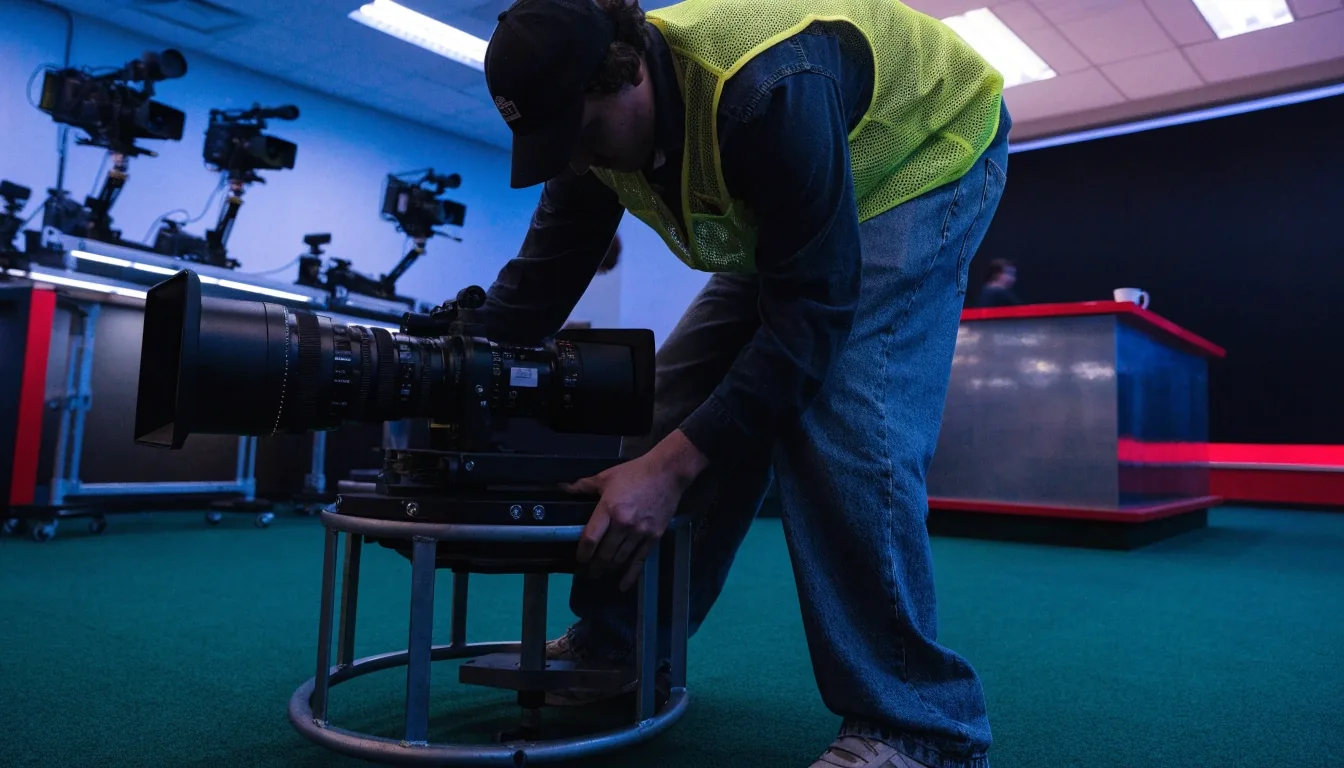
Our goal is to explain how a modern broadcast newsroom turns reporting into television, radio, and digital output. That means walking through the rooms, the roles, and the handoffs a story passes through before it reaches an audience. You do not need a media background to follow it. If you have watched a newscast and wondered who decides what runs first, where the anchor is actually standing, or how a live hit from a city hall lawn gets back on air, the answers are usually more procedural than mysterious.
The material is descriptive, not promotional. We cover what the work involves, what the equipment is for, and which parts of a production change from day to day. Where something is not publicly documented, we say so rather than filling the gap.
Who this site is for
This resource is written for curious viewers, journalism students, and people considering a career in broadcast production. It assumes no prior knowledge. If you have ever watched a newscast and wondered who calls the shots, this site is for you.
If you already work in media, some pages may cover familiar ground, but the facility descriptions may still be useful. Production people tend to know their own building well and everyone else's hardly at all, so the comparison across studios, control rooms, and regional desks is where the detail pays off.
- Curious viewers You want to know what happens between a camera and your screen.
- Students You are studying journalism or media and want the room-by-room picture.
- Career starters You are weighing production work and want to know what the roles involve.
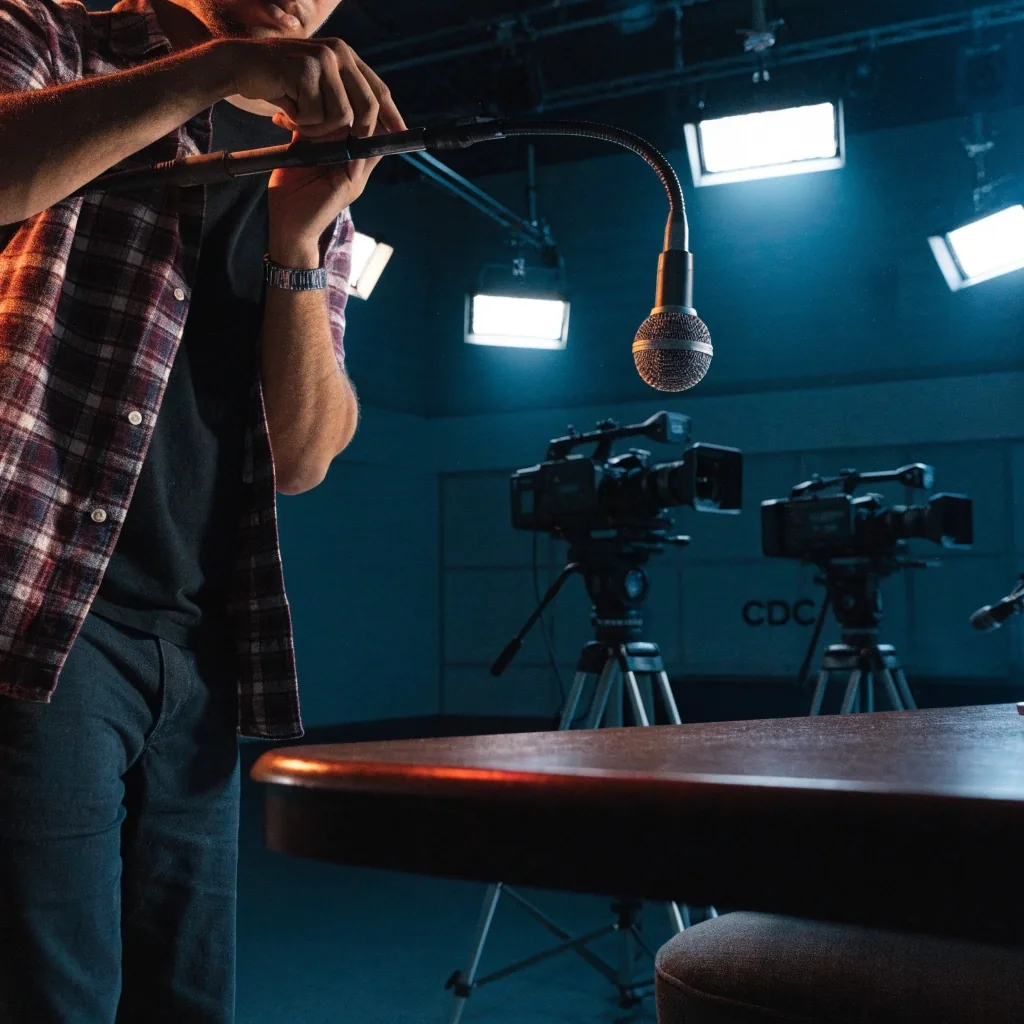
We describe the paperwork side of the job where it helps explain who decides what runs.
Why we focus on CBC News facilities
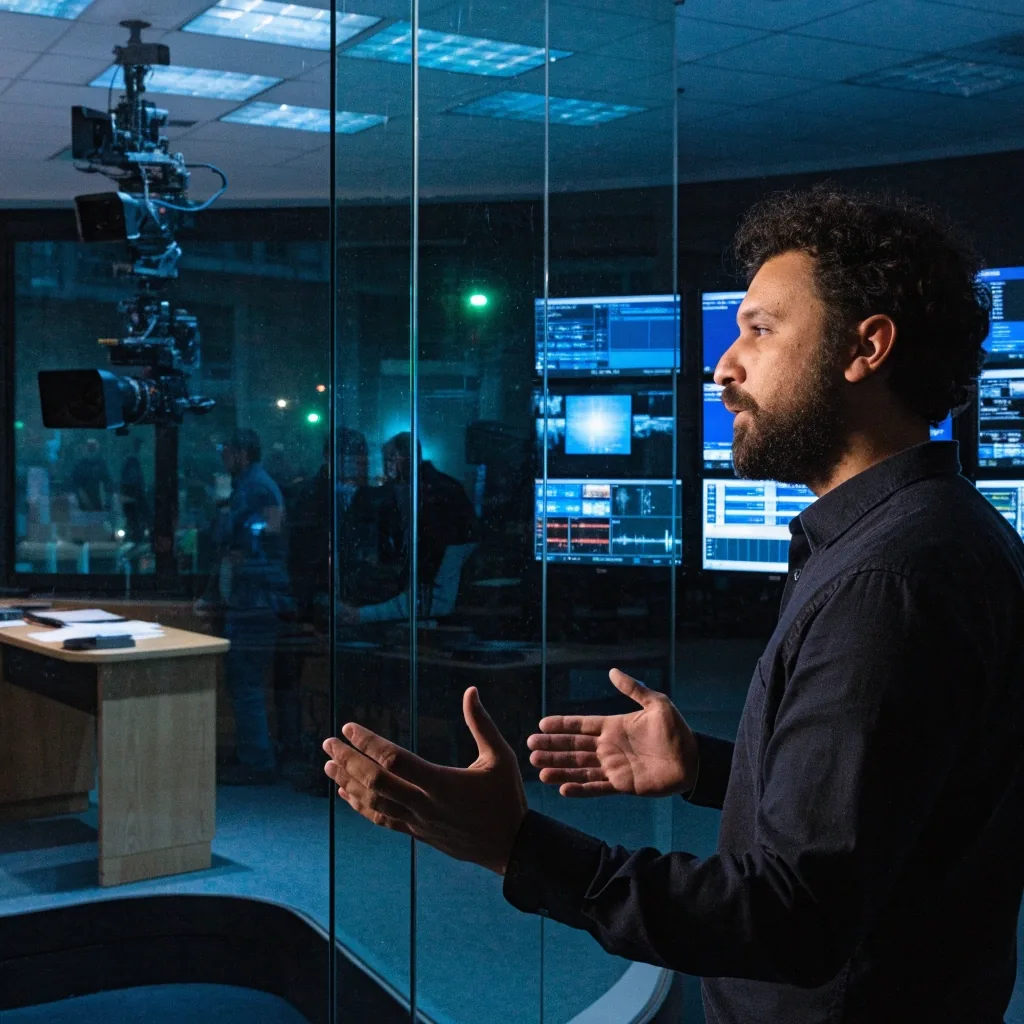
CBC operates a national network of newsrooms, studios, and production centres, and a good deal of information about those facilities is publicly available. That makes CBC a useful case study for anyone trying to understand broadcast news production. We look at the Toronto Broadcasting Centre, the CBC Vancouver Broadcast Centre, the CBC Ottawa Production Centre, and regional newsrooms in Halifax, Edmonton, and Calgary.
Choosing one network keeps the comparison fair. If we mixed in a dozen broadcasters, every page would turn into a list of exceptions. Sticking to CBC's documented buildings and programs lets us describe one system end to end, from the network's largest studios down to a regional desk that feeds a single province.
How we research and write
We rely on publicly available information about CBC facilities and newsroom operations, including CBC's own published descriptions of its buildings and programs. We do not use internal documents, and we do not claim access to CBC's private systems. Where we describe a specific facility or program, we try to stay within what has been publicly documented.
In practice that means a page usually starts as a list of questions: what does this room contain, who sits in it, what goes wrong when it is missing, and what does the public record actually say about it. We then write the answers in order, from the physical space outward to the workflow it supports. Anything that only appears in a single unverifiable source gets left out or flagged as a general pattern rather than a fixed fact.
Broadcast facilities and workflows change. Sets are rebuilt, programs move, and technology is replaced. We try to describe how things generally work rather than pinning every detail to a specific date. When we reference a specific change, such as a set renovation, we say so.
This is also why the site is organized the way it is. The control room page explains how a broadcast is assembled. The studios page covers physical spaces. The regional newsrooms page looks at how local coverage works. The field-to-air page follows a story from reporter to broadcast. The radio and digital page explains how non-TV output fits in. Read them in any order, or follow the chain from the field to the control room and back out to air.
What we will not do
The limits matter as much as the coverage. These are the lines we hold ourselves to, and they are why some obvious details are simply absent.
We do not invent quotes, metrics, or behind-the-scenes anecdotes. If we cannot point to where something came from, it does not go on the page.
We do not publish proprietary rundowns or staff schedules. How a specific day's broadcast was ordered is the network's business, not ours to reproduce.
We do not present ourselves as speaking for CBC. Nothing here is an official statement from the network or its staff.
We do not arrange tours or access to any facility. We explain how the spaces work, which is a different job.
If you see something on this site that looks wrong, tell us, and we will correct it.
This site is not funded by CBC, and it is not a CBC product.
It is an educational project about how broadcast news production works, using CBC's publicly documented facilities as the main example.
Questions we get most often
Three answers cover most of what people ask before they start reading. If yours is not here, the contact page is the fastest route.
Send a correction or a questionCorrections that affect accuracy are handled first. We read every message.
Is this an official CBC site?
No. Inside the Newsroom is an independent educational resource. It is not affiliated with or endorsed by CBC.
Where does your information come from?
Publicly available information about CBC facilities and newsroom operations, including CBC's own published descriptions of its buildings and programs. Where the public record is thin, we describe the general pattern instead of inventing specifics.
Can you get me a tour of a CBC studio?
No. We do not arrange tours or access. We can explain how the spaces work, which is the whole point of the site.
Where to go next
About the project itself
A short set of details for anyone who wants to know who is behind this and how to reach them.
Project
Inside the Newsroom, an independent educational resource about broadcast news production.
Focus
CBC News studio and newsroom operations, described from publicly available information.
Independence
Not affiliated with, endorsed by, or funded by CBC.
Editorial approach
Public sources only, no invented quotes or metrics, and corrections published when we get something wrong.
Office
250 Front Street West, Toronto, ON M5V 3G5, Canada
Contact
Hours
Monday to Friday, 9:00 AM – 6:00 PM
Corrections
Use the contact page. Corrections that affect accuracy are prioritized.